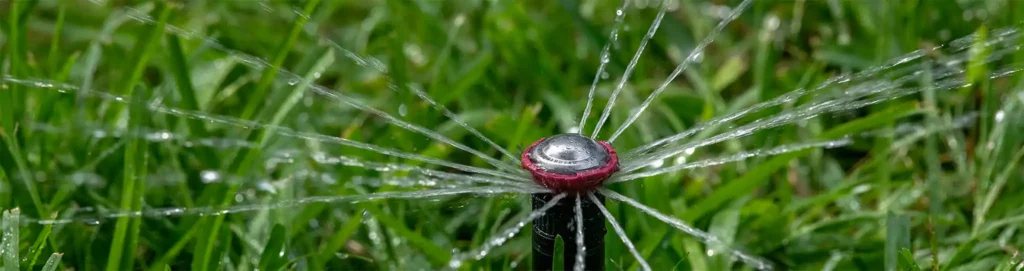
People have lots of questions about watering their lawns. This quick and easy guide will give you some basic information to help you take great care of your lawn while saving water.
Did you know that watering your lawn accounts for about half of all the water you use? And most lawns are getting twice as much water as they really need. Let’s save some of that water. Here’s how:
Think 1, 2…zero when running your sprinklers.
Water one day a week if your lawn needs a little water, two days if it’s hot and dry and zero days if it’s been raining or rain is in the forecast. It’s easy as 1, 2…zero!
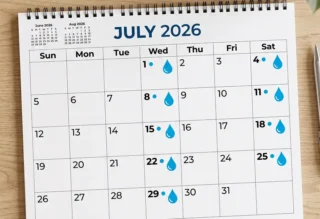
Know your assigned watering days.
Cities and water providers have defined watering schedules. That includes using sprinklers on specific days of the week. Check your city website to find your days.
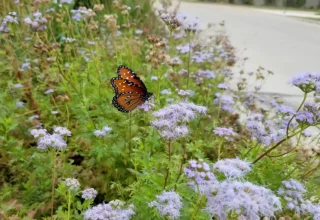
Replace that thirsty turf.
Grass is great for play spaces, but do we really need so much? Replace those little-used areas of your lawn with other types of landscaping or Texas Native plants. Check out our landscaping and plant search resources!
Water two days a week or less in summer.
If you’re watering more than two days a week from June through August, you’re watering too much. To have Texas tough grass with deep roots, you want to water deeply and infrequenly.
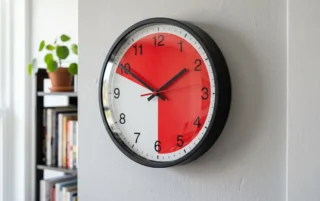
Don’t water between 10 a.m. and 6 p.m.
Water the lawn when it’s cool outside so more of your water soaks into the ground. When it’s hot, up to 30 percent of the water from your sprinklers can be lost to evaporation. In summer, the best start times for your controller may be 2 or 3 a.m.
Try “cycle and soak” to avoid runoff.
Run sprinklers in short bursts to allow water to soak in before running off. You could run a cycle of 6-minute run-times for fixed sprays and 13 minutes for rotors, let it soak for 60 minutes, then run the 6-minute/13-minute cycle again. Two start times with these settings apply about 0.25 inches of water to the lawn.
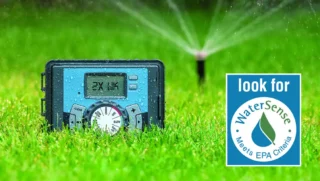
Smart controllers make saving easy.
Smart controllers automatically adjust sprinkler run times based on weather conditions. Upgrade to an EPA WaterSense labeled controller.
Rain and freeze sensors are water savers.
These systems automatically shut off your sprinklers during rain events or when temperatures dip near freezing. They can reduce outdoor water use by 5–10 percent. If you already have a sensor, test it and make sure it is working.
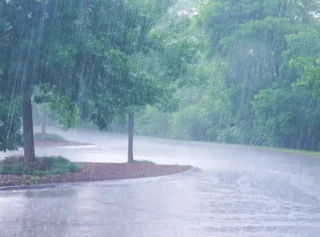
Watch the weather.
Whether you have a rain and freeze sensor or not, watching the weather and adjusting the sprinkler controller can save thousands of gallons a year. If it’s raining or about to rain, turn your system off. Use a rain gauge to help measure how much water your lawn receives.
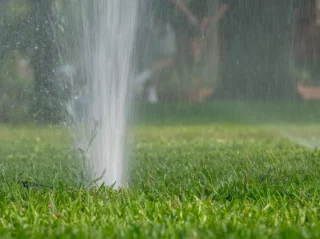
Check for sprinkler system problems.
Do a quick sprinkler check every month. Run each sprinkler zone for 2 minutes and visually inspect where water is landing. Redirect sprays that are watering concrete and fix any leaks or broken heads. Many adjustments and repairs can be done quickly and easily.
Sign up for free watering updates.
Know exactly how much water your lawn needs every week. Sign up for free Weekly Watering Advice or Water My Yard! Get an email or text every Monday showing you exactly how much water your lawn needs for the week.
Sign up for Weekly Watering Advice